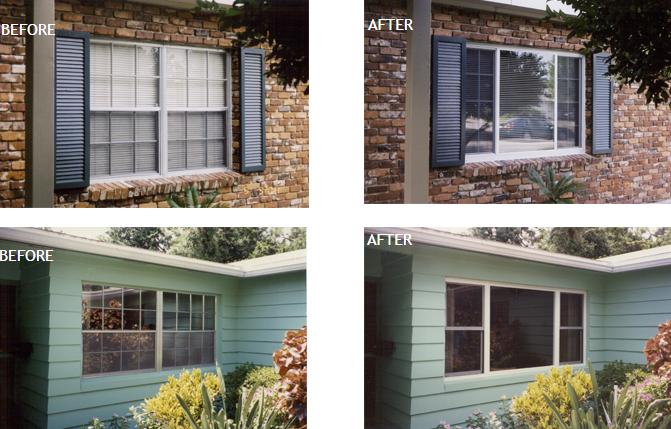
Can Custom Windows Meet Florida Impact Requirements?
Many Orlando homeowners believe they must choose between the custom windows their home’s architecture demands and the impact-resistant protection Florida’s building code requires. Architects design stunning bay windows, oversized picture windows, and specialty shapes—then homeowners learn about Florida’s mandatory impact requirements and assume they’re limited to standard rectangular sizes from manufacturer catalogs. This misconception costs homeowners either compromised design or compromised safety. The reality: custom window installation absolutely can meet Florida impact requirements when properly engineered, tested, and approved.
This guide answers whether custom windows can meet Florida impact requirements and explains exactly how custom-sized, architectural, and specialty-shaped windows achieve the same hurricane protection and code compliance as standard impact windows. We’ll cover Florida’s impact window requirements, how custom windows undergo the same testing and approval process, what custom configurations are available, and how to ensure your custom windows meet code while achieving your design goals.
Can Custom Windows Meet Florida Impact Requirements?
 Yes, custom windows can fully meet Florida impact requirements when properly engineered, tested, and approved. Custom-sized windows, architectural shapes (bay, bow, arched, circular), and oversized configurations undergo the same ASTM E1886 and E1996 testing as standard windows—large missile impact resistance and cyclic pressure testing simulating Category 5 winds.
The key is Florida Product Approval. Custom impact windows must have Product Approval numbers verifying they’ve passed required testing for your specific wind zone. Manufacturers engineer custom configurations with reinforced frames, laminated impact glass, and structural supports that meet or exceed standard window performance. Custom sizing doesn’t compromise protection—it requires additional engineering to maintain the same impact resistance and wind load capacity across larger spans or complex geometries.
Orlando homeowners can achieve architectural design goals including 10-foot picture windows for lake views, multi-angle bay windows for living spaces, arched windows for entryways, and specialty shapes for contemporary designs while satisfying Florida Building Code Section 1609 requirements for High Velocity Hurricane Zones [SOURCE: Florida Building Code at floridabuilding.org]. Custom doesn’t mean compromised—it means engineered specifically for both your design vision and Florida’s hurricane protection standards.
Explore custom impact window options designed for Orlando homes that don’t compromise on design or protection.
Yes, Custom Windows Can Meet Florida’s Impact Requirements
The definitive answer is yes—custom windows absolutely meet Florida’s impact requirements through the same rigorous testing and approval process that standard-sized impact windows undergo. Many homeowners and contractors wrongly assume that “custom” means “non-compliant” or that departure from standard catalog sizes somehow disqualifies windows from meeting Florida’s impact requirements. This confusion stems from misunderstanding how building codes work.
Florida Building Code doesn’t mandate specific window dimensions—it sets performance requirements that windows must meet regardless of size or shape. The code requires windows in Orlando’s High Velocity Hurricane Zone to withstand specific wind loads (140+ mph sustained winds) and resist impact from large missiles simulating debris during hurricanes [SOURCE: Florida Building Code Section 1609]. Whether a window is 36 inches wide or 10 feet wide, whether it’s rectangular or arched, whether it’s a standard double-hung or a custom five-panel bay configuration—the performance requirement remains the same.
Impact window testing under ASTM E1886 and E1996 protocols evaluates specific window configurations [SOURCE: ASTM International testing standards]. When manufacturers test windows, they test actual configurations they intend to sell—including custom sizes and specialty shapes. The testing doesn’t care whether a window is “standard” or “custom”—it only measures whether that specific window survives impact from a 9-pound 2×4 traveling at 50 feet per second, followed by 9,000 cycles of positive and negative pressure simulating hours of Category 5 hurricane winds.
Custom windows aren’t untested experiments. They’re specifically engineered configurations that undergo the same rigorous evaluation as any standard window before they’re approved for installation in Florida homes. Every impact window approved for Orlando installation must have a Florida Product Approval number verifiable at floridabuilding.org—this third-party verification confirms the specific window model survived required testing.
How Custom Impact Windows Achieve Hurricane Protection
Understanding the engineering behind custom impact windows builds confidence that these aren’t compromised solutions but properly designed systems that deliver full hurricane protection.
Reinforced Framing and Laminated Glass Technology
Standard-sized impact windows use frames engineered for specific dimensions and wind loads. When windows grow larger or take on complex shapes, frames must be proportionally strengthened. A 10-foot-wide picture window experiences dramatically higher total wind force than a 4-foot window. Manufacturers address this through heavier-gauge frame materials, additional structural reinforcement members, and engineered connection points that distribute loads across the entire frame assembly.
The laminated glass technology that makes impact windows resistant to hurricane debris doesn’t change based on window size or shape. Impact-resistant glass consists of two layers of glass bonded to a polymer interlayer (PVB)—the same construction principle used in automotive windshields. Glass manufacturers can produce this laminated construction in virtually any dimension or shape [SOURCE: Glass manufacturer technical specifications]. Rectangular, arched, circular, triangular—the glass fabrication process accommodates any geometry.
Structural Calculations and Testing Requirements
Bay windows, bow windows, and other architectural configurations require engineering analysis beyond what standard rectangular windows need. Engineers calculate forces based on the specific angle, number of panels, overall dimensions, and wind loads for your location. The resulting design includes structural support brackets that anchor to your home’s framing, reinforced connections between panels, and proper flashing.
Larger and heavier custom windows require more robust anchoring than standard-sized windows. A standard window might install with 8-10 anchor points, while a custom 8-foot-wide picture window might require 20-25 anchor points using larger fasteners. Product Approval documentation specifies exact anchoring requirements based on engineering calculations and testing.
Every window—regardless of size, shape, or configuration—faces the same ASTM E1886 and E1996 testing. Custom bay windows, oversized picture windows, arched entryway windows, specialty shapes—all face this same testing regimen. Products that survive receive Florida Product Approval certifying they meet performance requirements for your wind zone.
[All American Exteriors recently completed a custom bay window installation in a Winter Park lakefront home—a 9-foot-wide bay with custom angles to maximize lake views. During Hurricane Ian’s approach, the homeowners simply closed and locked their custom bay window. After the storm passed with sustained tropical storm-force winds and hurricane gusts, their custom impact bay window showed zero damage and maintained perfect operation.]
What Custom Impact Window Options Are Available for Orlando Homes
The design possibilities for custom impact windows are extensive, allowing you to achieve virtually any architectural goal while maintaining full hurricane protection and Florida Building Code compliance.
Custom Sizing for Standard Window Configurations
The most straightforward custom option involves non-standard dimensions for familiar window types. Double-hung, casement, sliding, and picture windows can all be manufactured in custom sizes.
Oversized picture windows represent one of the most popular custom applications in Orlando. Lake-view homes throughout Winter Park, Windermere, and Lake Nona often feature expansive glass walls. Standard picture windows top out around 6-8 feet wide, but custom impact-resistant picture windows can span 10-12 feet or more, creating uninterrupted sight lines while providing full hurricane protection.
Extra-tall windows for two-story great rooms or contemporary architecture can be manufactured in heights exceeding standard offerings. Precise custom sizing for historical renovations solves problems in Winter Park’s historic district where homes from the 1920s-1940s have openings that don’t match modern standard sizes.
Bay and Bow Windows in Impact-Resistant Configurations
 Bay and bow windows represent architectural features homeowners specifically choose for visual impact—they’re inherently custom by nature, making them perfect examples of how custom design and hurricane protection combine seamlessly.
Bay windows typically consist of 3-5 window panels arranged at angles projecting outward. Each panel in an impact-resistant bay window uses laminated impact glass. The frames connecting the panels are engineered to resist wind loads across the multi-directional geometry, and structural support brackets anchor the entire assembly to your home’s framing. Popular Orlando applications include master bedrooms where the bay creates space for window seating with lake views, dining rooms where the bay adds architectural interest, and kitchen breakfast nooks.
Bow windows feature 4-6 panels arranged in a gentle curve rather than angled segments. Impact-resistant bow windows use the same laminated glass technology, with engineered frame connections that maintain the curve under both the window’s weight and hurricane wind loads.
Architectural Shapes and Specialty Window Configurations
Beyond rectangular and bay/bow configurations, impact-resistant windows are available in virtually any architectural shape you can design.
Arched windows in half-circle, full-circle, or elliptical configurations are popular for entryways or as accent windows in gables. Manufacturers create custom templates for the specific arch radius you need, fabricate laminated impact glass to match, and engineer frames that distribute loads properly around the curved geometry.
Triangular and trapezoid windows work well in gable ends or contemporary angular architecture. Circular and octagonal windows create distinctive architectural accents while providing impact protection. Custom specialty applications extend to virtually any shape architects can design—freeform curves, multi-sided polygons, asymmetric configurations.
Custom window combinations including triple window groupings, corner window assemblies, and window walls with mixed configurations all work with impact-resistant technology. Engineers calculate wind loads across entire assemblies and design frame connections to distribute forces appropriately.
Specific Orlando Custom Impact Window Applications
Lake-view and waterfront homes throughout Winter Park, Windermere, and Lake Nona feature large windows maximizing water views. Custom oversized picture windows (8-12 feet wide) provide unobstructed sight lines while meeting impact requirements.
Historic Winter Park and College Park homes with original 1920s-1940s window openings require custom-sized impact windows to maintain architectural integrity. Custom impact windows are fabricated to exact original dimensions, preserving the home’s character.
Contemporary and modern architecture features floor-to-ceiling glass, angular windows following rooflines, and asymmetric window placement. Custom impact windows accommodate these design elements while ensuring homes meet current Florida Building Code requirements.
[All American Exteriors has completed several custom impact window projects showcasing design flexibility. A Winter Park historic home received custom-sized double-hung impact windows matching 1925 original dimensions. A Lake Nona contemporary home featured custom 9-foot-tall picture windows across an entire lakefront wall. A Windermere luxury home included custom arched impact windows above the entryway and custom bay windows in the master suite.]
Design your custom hurricane-rated windows that reflect your home’s unique architecture.
Florida Product Approval and Choosing Custom Impact Windows
Understanding the approval process and when custom windows make sense helps you make informed decisions about your project.
Product Approval Process for Custom Windows
Florida Product Approval isn’t a blanket certification—it’s approval of specific window configurations that have undergone testing. When you look up a Product Approval number at floridabuilding.org, you’ll see detailed information about what exactly was tested and approved [SOURCE: Florida Product Approval system].
For custom windows, approval typically covers ranges. For example, approval might state: “Casement windows 24-48 inches wide by 36-72 inches tall with reinforced frames, approved for wind zone 1 (140+ mph).” Custom windows falling within those parameters are covered without additional testing.
Before signing any contract, verify Product Approval yourself: (1) Request the Product Approval number from your contractor, (2) Visit floridabuilding.org and search the database, (3) Review approval details to confirm your custom window falls within approved parameters, (4) Verify the approval is current, (5) Request manufacturer documentation showing your specific custom window matches the approved design.
For truly unique configurations outside existing approvals, manufacturers can perform project-specific engineering and testing. This process adds 6-12 weeks to timeline and $7,000-15,000 to cost but enables virtually any design to achieve compliance.
When Standard vs. Custom Impact Windows Make Sense

Standard impact windows work perfectly when:
- Newer homes (2000+) have openings matching standard dimensions (36×48, 48×60, 72×80 inches)
- Cost savings of 20-30% matter for your budget
- Faster delivery (2-4 weeks vs. 6-10 weeks) fits your timeline
- You’re satisfied with current window sizes and straightforward design
Custom impact windows are necessary when:
- Historical homes have non-standard openings requiring specific dimensions for architectural integrity
- Architectural designs require specific dimensions for aesthetic balance
- Design goals include bay windows, bow windows, or specialty shapes
- Unusual structural requirements create non-standard opening dimensions
Cost considerations: Custom impact windows typically cost 25-40% more than comparable standard sizes [SOURCE: Industry pricing from window manufacturers]. Concrete Orlando examples:
- Standard 6-foot picture window: $2,500-3,500 installed
- Custom 8-foot picture window: $3,500-4,800 installed
- Standard sliding door 6×8 feet: $2,800-4,200 installed
- Custom bay window 9-foot span: $8,000-12,000 installed
Timeline differences: Standard windows deliver in 2-4 weeks; custom configurations require 6-10 weeks for fabrication. For Orlando homeowners targeting completion before June 1 hurricane season start, order standard windows by late April or custom windows by mid-March.
Working with Experienced Custom Impact Window Contractors
Not all window contractors have equal expertise with custom impact window installations. When evaluating contractors, look for:
Demonstrated experience with projects similar to yours and references from custom installations Thorough knowledge of Product Approval process indicated by immediate discussion of verification procedures Detailed proposals specifying exact Product Approval numbers and installation specifications Licensed, insured status verified through Florida Department of Business and Professional Regulation Willingness to explain engineering behind proposed custom windows
Critical questions to ask contractors:
- Can you provide Florida Product Approval numbers for the specific custom configurations you’re proposing?
- Have you installed this exact window size/type before, with references I can contact?
- What’s the realistic timeline from order through installation for these custom windows?
- What engineering documentation will you provide showing code compliance?
- How does warranty coverage compare between standard and custom windows?
- Will you handle all permitting and inspections?
Work with experienced custom impact window installers who understand Florida’s approval and installation requirements.
Custom Impact Windows: Design and Protection Without Compromise
Custom windows absolutely meet Florida’s impact requirements through the same rigorous engineering, testing, and approval process that standard windows undergo. The misconception that “custom” means “compromised protection” stems from misunderstanding how building codes work—Florida requires performance standards, not specific sizes or shapes.
For Orlando homeowners, this means you don’t choose between the architectural windows your home deserves and the hurricane protection Florida’s climate demands. Custom bay windows capturing lake views, oversized picture windows filling great rooms with light, arched entryway windows creating distinctive character, or precisely sized windows maintaining historic home authenticity—all can be manufactured as impact-resistant products meeting Florida Building Code requirements.
The custom window premium of 25-40% over standard products reflects real engineering and fabrication costs. For homes where design matters—historical properties requiring specific dimensions, luxury residences with architectural distinction, or new construction with sophisticated design goals—custom impact windows represent investments in both mandatory protection and home value.
Timeline considerations matter for Orlando window replacement projects during hurricane season. Custom windows requiring 6-10 weeks fabrication must be ordered by mid-spring for pre-season completion. Working with contractors experienced specifically in custom impact window installation ensures proper Product Approval verification, correct installation per engineering specifications, and successful building inspection approval.
Ready to design custom impact windows for your Orlando home? All American Exteriors specializes in custom hurricane-rated windows that meet Florida Building Code requirements while achieving your architectural vision. From oversized picture windows to custom bay windows, architectural shapes, and precisely sized historical replacements, we engineer, approve, and install custom impact windows that protect without compromising design. Schedule your consultation to discuss your custom window project and see examples throughout Orlando. Call (407) 830-7004 or get started online today.