Picture Windows vs. Casement Windows: Which Adds More Value?
When upgrading your windows, aesthetics and energy efficiency are key. But if you’re also thinking long term—especially about resale value—choosing the right window style is even more important. Two of the most popular styles for modern homeowners are picture windows and casement windows. Both have their advantages, but when it comes to adding value to your home, they contribute in different ways.
Let’s break down the differences between the two, look at their features and see which one adds more value to your home.
What Are Picture Windows?
Picture windows are large, fixed-pane windows that don’t open. As the name suggests, they’re like picture frames—wide, unobstructed views of the outdoors and lots of natural light. Since they have no moving parts, they’re often less expensive than operable windows and provide great energy efficiency since they’re airtight.
Key Features:
- Fixed in place (no hinges or openers)
- Unobstructed glass for panoramic views
- Great insulation
- Low maintenance
What Are Casement Windows?
Casement windows are hinged on the side and open outward like a door, usually with a crank. These windows are loved for their versatility, ventilation benefits and secure locking systems.
Key Features:
- Hinged on the side and open outward
- Operable for airflow and ventilation
- Seals tight when closed
- Modern look with practical benefits
Visual Appeal
Both window types have clean lines and a modern look, which appeals to today’s buyers. Picture windows are perfect for showcasing views—great for homes with mountain, lake or garden views. They make spaces feel bigger, brighter and more connected to the outdoors.
Casement windows also look modern, especially when grouped or paired with fixed panes. They offer more architectural flexibility, can be installed alone or in multiples for a more dynamic look.
Which adds more visual value?
If you have great views, a picture window will make them pop and add visual impact. But overall curb appeal, casement windows offer more design flexibility and dimension, so will appeal to a wider range of buyers.
Ventilation and Functionality
One of the biggest downsides of picture windows is they don’t open. While that’s great for energy efficiency, it also limits airflow. Casement windows can open fully and let fresh air circulate through the home—especially helpful in smaller rooms, kitchens or bathrooms.
For buyers in warmer climates or homes without central air, operable windows that offer ventilation can be a big bonus.
Which adds more functional value?
Casement windows win here especially in spaces where airflow is important. The added ventilation capability makes them more practical for daily living.
Energy Efficiency
Picture windows, being fixed, generally offer better insulation and fewer air leaks. There are no moving parts or seams where air can escape. So they can save a lot of heating and cooling costs especially when installed with low-E or double pane glass.
Casement windows also offer great energy performance. When closed the sash presses against the frame and creates an airtight seal. However over time the seals and hardware can wear down and affect efficiency.
Which adds more energy value?
Picture windows edge out slightly here due to their simplicity and better sealing. But both can be very efficient when installed and maintained properly.
Cost and ROI
In general picture windows are less expensive per unit than casement windows since they don’t have opening mechanisms. But the cost to install them can be higher if the window size is large or requires structural changes.
Casement windows are more expensive upfront due to the crank hardware and complex installation. But they offer more versatility and user appeal which may justify the cost in resale scenarios.
Which offers better return on investment (ROI)?
Casement windows generally offer better ROI since they combine form and function. Buyers love windows that can be opened and cleaned easily while looking modern. But in luxury homes or view-centric properties large picture windows may offer higher perceived value.
Maintenance and Durability
Since picture windows don’t open they have fewer parts that can break or wear out. So they’re easier to maintain long term.
Casement windows require a bit more upkeep. The cranks, hinges and seals can degrade over time or exposure to weather especially if not regularly lubricated or cleaned. Which adds more low-maintenance value?
Picture windows win here. Their simplicity means fewer repairs, less cleaning effort and less chance of failure—a big selling point for buyers looking for hassle free homeownership.
Where to Use in the Home
Picture Windows:
- Living rooms with views
- Stairwells or vaulted ceilings
- Hallways or areas with limited airflow needs
Casement Windows:
- Kitchens
- Bathrooms
- Bedrooms
- Smaller rooms that need both light and ventilation
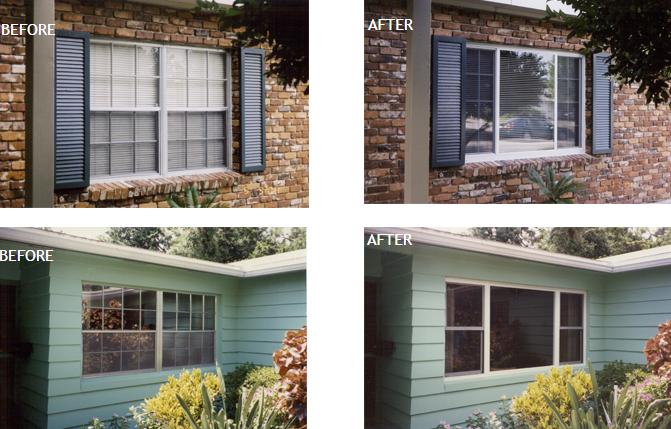
Many homeowners use both styles together—for example a large fixed picture window in a living room and casement windows on either side for airflow.
Which Window Type Adds More Value?
There’s no one size fits all answer. The right choice depends on your home’s design, location and buyer expectations.
- Choose picture windows if you have great views to showcase, want maximum natural light and energy savings with minimal maintenance.
- Choose casement windows if you need operable windows for ventilation, want strong resale appeal and a balance of style and function.
If you want to add value to your home many homeowners opt for a strategic combination—picture windows where views matter most and casement windows where airflow is needed. This way you get energy efficiency, aesthetic appeal and practical use—all of which contribute to higher home value.