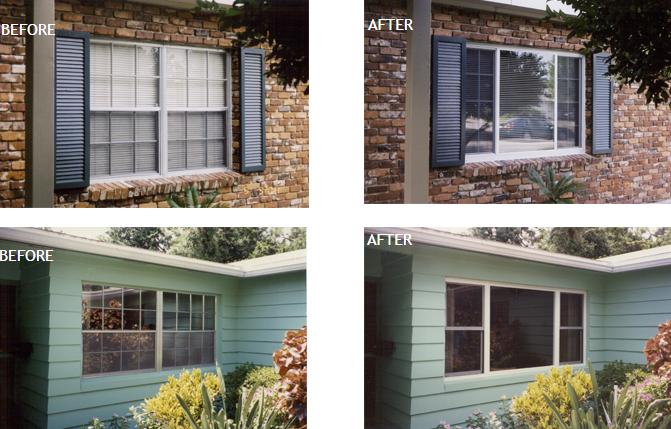
10 Clear Signs Your Home Needs New Windows: How to Tell It’s Time to Replace Them
You’ve been staring at that window for weeks now — maybe it’s the one that sticks, or the one where you can feel a whisper of heat even with the blinds closed. Something’s off, and you’re not sure if it’s worth worrying about or worth a phone call. If you’re trying to figure out whether your home is giving you signals you shouldn’t ignore, you’re in the right place. Central Florida’s heat, humidity, and storm cycles put windows through conditions that accelerate every form of failure. Having replaced windows across Orange County for years, we know exactly what the warning signs look like before they become expensive problems. What follows is what we actually see in the field — not a generic checklist, but real patterns from real homes in this climate.
 Drafty Rooms and Uneven Temperatures Are a Major Warning Sign
You walk into your living room on a January morning and one corner feels noticeably colder than the rest. Or you stand near a window in July and feel warm air seeping in despite the AC running full blast. That’s not normal. In Orlando, where summers push heat indexes past 105°F, a drafty window isn’t just uncomfortable — it’s costing you real money every single month.
Most guides tell you to hold a candle near the frame and watch for flicker. That works. But what we see constantly on jobs across Orange County is something homeowners miss entirely: the draft isn’t always at the window itself. It pools in corners, near baseboards, or along interior walls adjacent to the frame. By the time you feel it, the seal has usually been failing for months.
Here’s what’s actually happening. When a window’s weatherstripping breaks down or the glazing compound cracks, outside air finds a path in. In older double-pane units, the gas fill between the panes escapes first — that’s invisible — and then air infiltration follows. You don’t see either one. You just feel the room getting harder to keep comfortable.
Uneven temperatures between rooms are the other side of this problem. If your bedroom stays cool but the front room facing west runs warm all afternoon, that’s a window performance issue more often than it’s an HVAC issue. According to the U.S. Department of Energy, drafty or inefficient windows can account for 25–30% of residential heating and cooling energy use. That number gets worse in Florida’s climate because your system runs longer hours than almost anywhere else in the country.
Pay attention to these specific spots: the corners of the frame where two pieces of weatherstripping meet, the bottom rail of a double-hung window where it meets the sill, and any window that faces west or southwest. West-facing windows in Orlando take the hardest thermal beating of any orientation. They expand and contract more aggressively through the day, and the seals fail faster because of it.
And here’s what most guides get wrong about this: they treat drafts as a comfort issue. It’s actually a structural one. When outside air moves through a window assembly, it carries moisture with it. In Central Florida’s humidity, that moisture gets into the wall cavity around the frame. We’ve opened up walls in Winter Park and found mold growing behind window trim that looked perfectly fine from the outside. The homeowner had no idea. The draft was the only warning they ever got — and they ignored it for two seasons.
If you’re seeing these signs across multiple rooms, it might be time to talk to a window replacement professional in Orlando before the problem moves from the window into the wall.
Visible Damage to Frames, Glass, or Seals Means Replacement Is Overdue
When you can see something is wrong with your windows, that’s not a warning sign anymore. That’s a deadline. Cracked frames, foggy glass, and failed seals are the point where patching stops making sense — and we see this constantly on jobs across Orlando where homeowners waited too long hoping the problem would stay small.
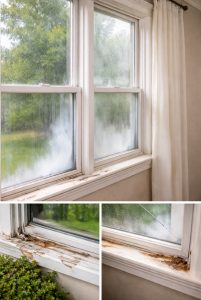
Start with the glass itself. If you have double-pane or triple-pane windows and you notice a foggy or hazy film between the panes that won’t wipe off, that’s a failed seal. The inert gas — usually argon — that was sealed between those panes has escaped. Once that happens, the insulating value drops fast. A failed seal means you’ve lost that thermal protection entirely. No amount of cleaning fixes it.
Frame damage is the other thing people underestimate. Wood frames that feel soft, spongy, or show visible rot aren’t just ugly — they’re structurally compromised. A rotted frame can’t hold a proper seal. It also becomes a pathway for moisture into your wall cavity, which leads to mold and insulation damage that costs far more to fix than the windows themselves. Vinyl and aluminum frames don’t rot, but they crack, warp, and pull away from the wall opening over time. If you can see daylight around the frame edge, or feel air movement near the corner, the frame has failed.
Condensation on the interior glass surface — not between the panes, but on the room-facing side — is a different issue. That’s usually a sign that your window’s thermal performance has dropped low enough that the glass surface is cold relative to your indoor air. In Central Florida, that’s not a theoretical concern — it’s a real mold-growth risk.
Cracks in the glass itself should be treated as an immediate replacement situation. A cracked pane has compromised structural integrity and in some cases poses a safety risk. Small chips near the edge of the glass can spread across the entire pane faster than you’d expect — especially with the thermal expansion that happens here during summer heat cycles.
One thing worth knowing: visible damage on the outside of the frame doesn’t always mean the inside is fine. We’ve opened up frames that looked okay from the street and found the interior wood was completely saturated. If your home is more than 15–20 years old and you haven’t had the windows inspected, the damage you can see is often just the beginning of what’s actually there.
If any of this sounds familiar, visit our window replacement and exterior services page — it covers what the full process looks like from inspection through installation.
Skyrocketing Energy Bills Often Point Back to Inefficient Windows
Your electric bill goes up. You blame the AC unit. You call for a tune-up. The bill stays high. We see this constantly in Orlando, and nine times out of ten, the windows are doing exactly what a broken window should do — letting conditioned air walk right out of the house.
According to the U.S. Department of Energy, heat gain and heat loss through windows account for 25 to 30 percent of residential heating and cooling energy use. That’s nearly a third of your bill, potentially, tied to glass and frames.
The problem gets worse with older single-pane windows. Single-pane glass offers almost no insulating value — around R-1, compared to R-3 or higher for double-pane options. In a place like Orlando where summer heat index regularly pushes past 100°F, that difference shows up fast on your Florida Power & Light statement.
A failed seal is one of the sneakier causes of energy loss. You won’t always see fogging or condensation between the panes. Sometimes the gas just escapes quietly and the window keeps doing its job — badly — without any obvious visual warning. If your bills are rising but your HVAC system checks out fine, the windows are the next place to look.
There’s also the frame to think about. Older aluminum frames conduct heat aggressively. On a hot Orlando afternoon, an aluminum-framed window can transfer so much heat into your home that the wall around it feels warm to the touch. Vinyl and fiberglass frames perform much better in this climate because they don’t conduct heat the same way.
One practical test: stand near your windows on a hot afternoon with the AC running. If you feel warmth radiating from the glass or the frame, that’s real heat entering your home — heat your AC has to fight against constantly. You’re paying for that fight every month.
ENERGY STAR certified windows for the South-Central climate zone are rated specifically for high solar heat gain conditions. Homes in Orlando fall into that zone. If your current windows don’t meet that standard, you’re likely losing money every single day they stay in the frames.
If your bills have been climbing without a clear reason, don’t just assume it’s your equipment. Our team is ready to walk you through your options for window replacement and exterior services. We inspect, we explain, and we install — no pressure, no guesswork.
Frequently Asked Questions
How do I know if my windows need replacing or just repairing?
If you see foggy glass between the panes, warped frames, or feel drafts in multiple rooms, replacement is likely the better choice. Small fixes like weatherstripping can help temporarily. But if your windows are 15 or more years old and showing more than one problem, repairs usually just delay the inevitable.
Does Orlando’s heat and humidity make windows wear out faster?
Yes, Orlando’s climate is especially hard on windows. Heat indexes regularly push past 105°F. That constant heat causes frames to expand and contract every single day. West-facing windows take the hardest beating. Humidity adds moisture pressure that breaks down seals faster than in drier climates. Central Florida homeowners often see window problems 5 to 10 years earlier than homeowners in cooler parts of the country.
Can a drafty window really cause mold in my walls?
Yes, and this is one of the most common mistakes homeowners make — treating drafts as just a comfort problem. When outside air moves through a failing window frame, it carries moisture with it. In Orlando’s humidity, that moisture gets into the wall cavity around the frame. We have opened up walls in Winter Park and found mold growing behind trim that looked perfectly fine from the outside. The draft was the only warning the homeowner ever had.
When should I call a window replacement professional instead of fixing it myself?
Call a professional when you see foggy glass between panes, cracked or warped frames, or drafts coming from multiple windows. DIY fixes like caulk or weatherstripping work for minor gaps on newer windows. But once the seal between panes has failed or the frame itself has shifted, there is no DIY fix that solves the root problem. In older Orange County homes especially, what looks like a simple fix often reveals bigger issues once you get into the frame.
Is foggy glass between window panes just a cosmetic issue?
No, foggy glass between panes is not just cosmetic — it means the window seal has failed completely. The insulating gas sealed between those panes has escaped. Once that seal fails, you lose that thermal protection entirely. In Orlando’s heat, a failed seal means your AC works harder every single day until the window is replaced.
How do west-facing windows in Orlando homes wear out differently than other windows?
West-facing windows in Orlando take the most intense sun exposure of any direction. They heat up fast in the afternoon and cool down at night, which means the frames expand and contract more aggressively than any other window in your home. That daily stress breaks down seals faster. If you have older west-facing windows, check those first for drafts, fogging, or frame warping — they almost always show signs of failure before windows on the north or east sides of your home.
Don’t wait until a small problem becomes an expensive one. Call 407-830-7004 or visit all-americanexteriors.com to schedule a free estimate. We’ll get a professional to your door fast.